Detecting fake honey can be challenging because some counterfeit products are skillfully made to resemble real honey.
46% of the honey samples analyzed are fraudulent
With 46% of the samples analyzed being fraudulent, it is safe to say that a significant proportion of the honey consumed in Europe is fake. “With 175,000 tons of honey imported per year, the Old Continent is the world’s second-largest importer of honey after the United States,” source Forbes .
However, there are several methods you can use to help identify fake honey:
Check the Label
Start by examining the product label. Real honey should have a minimal ingredient list, typically just “honey.” If you see added sugars, corn syrup, or other ingredients, it ’s likely not pure honey.
Look for Certifications
Check for quality certifications like the USDA Organic label, which ensures the product meets certain standards. Additionally, some honey products may have certifications from local or international honey organizations.
Read the Source
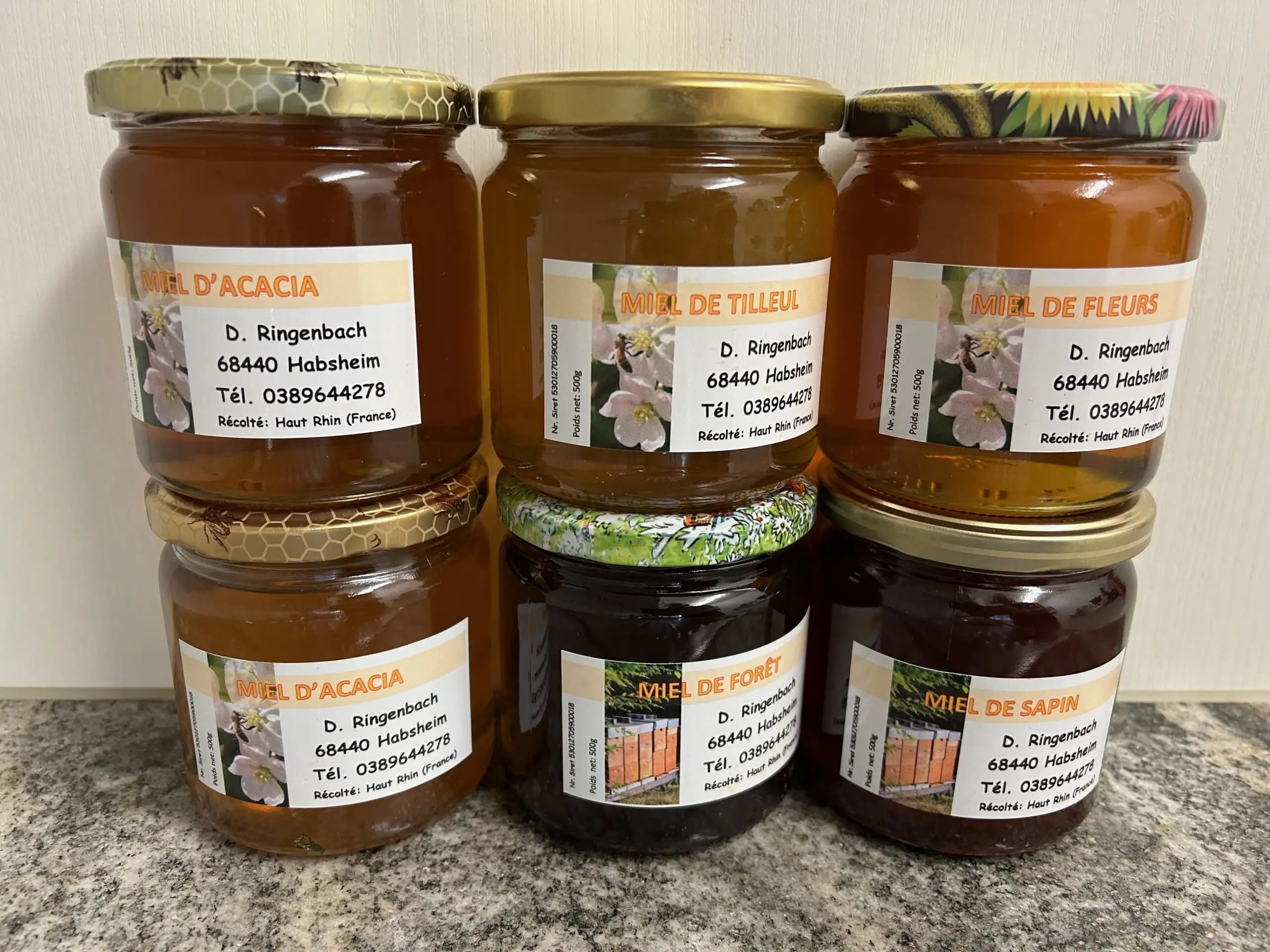
If possible, determine the source of the honey. Locally sourced honey is more likely to be genuine. Be cautious of honey that claims to be from a specific floral source but doesn ’t have a traceable origin. I recommend you to buy from a local source like I do.
Color and Consistency
Real honey varies in color depending on its source, but it should be clear or slightly cloudy. It shouldn ’t have any unusual colors. Fake honey may have an unnaturally uniform appearance and consistency.
Taste and Smell
Real honey has a distinct aroma and flavor that reflects its source. If it tastes overly sweet, artificial, or has a chemical aftertaste, it may not be genuine. The smell should be floral or herbal, not pungent.
Crystallization
Honey naturally crystallizes over time, forming small sugar crystals. If your honey has been sitting for a while, this is a good sign of its authenticity. Fake honey may not crystallize or take a significantly longer time to do so.
Water Test
Place a drop of honey on a paper towel. If it gets absorbed or leaves a wet mark, it might be diluted with water. Real honey should remain intact.
Thumb Test
Dip your thumb in the honey and then try to rub it between your thumb and forefinger. If it feels sticky and doesn ’t easily wash off, it ’s likely real honey. Fake honey may feel more watery.
Density Test
Real honey is denser than water. You can try adding a few drops to a glass of water. If it sinks to the bottom and remains intact, it ’s likely genuine. Fake honey may dissolve or mix readily.
Heating Test
Place a small amount of honey on a heat source. Real honey should caramelize or bubble and give off a pleasant, sweet aroma. Fake honey may burn, produce an acrid smell, or not react at all.
Packaging and Brand Reputation
Be wary of suspicious-looking packaging and brands you ’ve never heard of. Trustworthy brands are more likely to sell authentic honey.
Price
High-quality, pure honey is typically more expensive than counterfeit or adulterated versions. If the price seems too good to be true, it might not be genuine honey.
Final notes
It ’s worth noting that some sophisticated fake honey products are difficult to detect using these methods. If you want to ensure the authenticity of the honey you ’re buying, consider purchasing from reputable sources, such as local beekeepers or well-known brands with a history of selling pure honey.